
Springfield 1908 Race Riot
National Monument
National Monument
Illinois
8/16/2024


In 1908 a mob of 5,000 white residents attacked the Black community of Springfield, Illinois, destroyed several blocks of residences and business, and lynched two Black Americans. The mass racial violence was one of many such events of brutality and intimidation in that era, leading to the establishment of the NAACP. The monument includes the excavated foundations of several of the destroyed homes in the segregated neighborhood.
Emmett Till and Mamie Till-Mobley
National Monument
National Monument
Illinois
Mississippi
Mississippi
7/25/2023


Three sites honor the memory of Emmett Till, an African American boy who was abducted, tortured, and lynched in Mississippi in 1955 at the age of 14, after being accused of offending a white woman, Carolyn Bryant, in her family's grocery store. The Roberts Temple Church of God in Christ, Bronzeville, Chicago, Illinois was the site of Till's memorial service in September 1955, hosted by his mother Mamie Till. Graball Landing on the Tallahatchie River in Mississippi is believed to be where Till's body was retrieved from the river and the Tallahatchie County Second District Courthouse in Sumner was where the trial of and acquittal of Roy Bryant and J. W. Milam for Till's murder took place.
Avi Kwa Ame
National Monument
National Monument
Nevada
3/21/2023


Spirit Mountain (Avi Kwa Ame) is the site of creation for the Yuman tribes, who hold the area sacred. Consisting of the Eldorado Valley, Piute Valley, and surrounding mountain ranges of the Mojave Desert, the area is home to expansive Joshua tree forests and provides important habitat for species such as the desert bighorn sheep, desert tortoise and Gila monster.
Castner Range
National Monument
National Monument
Texas
3/21/2023


This portion of the Franklin Mountains of west Texas's Chihuahuan Desert includes 41 archaeological sites that show evidence of human presence dating to 6,000 BC. The site was used as a weapons testing range for Fort Bliss for 40 years and is still undergoing remediation of munitions. Castner Range is the only land conservation national monument within the Department of Defense.
El Paso Community Healing Garden
Memorial
Memorial
Texas
12/29/2022


A right-wing terrorist targeted Latino Americans at a Walmart store in El Paso, killing 23 people and injuring 22 in a mass shooting. A memorial to these victims of white supremacy and gun violence consisting of 23 bronze plaques on a semicircular wall was installed at Ascarate Park in the Mission Valley neighborhood in August 2021.
Kol Israel Foundation
Holocaust Memorial
Holocaust Memorial
Ohio
12/29/2022


The Zion Memorial Park Cemetery donated land for the construction of a monument to victims of the Holocaust in 1961, the first in the United States. A ring of granite is engraved with names of 1,300 family members of Cleveland-area Holocaust survivors. It surrounds a central column that contains ashes of victims.
Camp Hale — Continental Divide
National Monument
National Monument
Colorado
10/12/2022


Soldiers in the US Army's 10th Mountain Division used Camp Hale to learn skiing, climbing, and snowshoeing to fight in the Italian Alps during World War II. Part of White River National Forest.
Hershel Woody Williams
National Medal of Honor Monument
National Medal of Honor Monument
Texas
12/27/2021


National Pulse Memorial
Florida
6/25/2021


Pulse, a gay nightclub in Orlando, Florida, was the scene of a mass shooting that killed 49 people on June 12, 2016. There are plans for a memorial with a reflecting pool around the building and a museum a few blocks away.
Women's Suffrage
National Monument
National Monument
District of Columbia
12/17/2020


The Women's Suffrage National Monument is a planned memorial sculpture that will honor suffragists who organized and demonstrated for the women's right to vote in the United States.
Medgar and Myrlie Evers Home
National Monument
National Monument
Mississippi
12/10/2020


Medgar Evers was a civil rights activist who served as a field secretary for the NAACP to end segregation and promote voting rights in Mississippi. He was assassinated outside his home in Jackson by a white supremacist in 1963. His wife Myrlie moved away but owned the home until 1993 and later served as chairwoman of the NAACP.
National Native American
Veterans Memorial
Veterans Memorial
District of Columbia
11/11/2020


This memorial at the National Museum of the American Indian honors the military service of American Indian, Alaska Native, and Native Hawaiian veterans. A vertical steel circle stands on a stone drum from which water flows and a ceremonial fire burns.
Mill Springs Battlefield
National Monument
National Monument
Kentucky
9/22/2020


The Battle of Mill Springs was fought at this site in January 1862 and was the first major victory for the Union Army. The one-day battle saw Union forces led by George Henry Thomas defeat Confederate regiments led by Felix Zollicoffer, who died in action. The site is now largely an open field with a visitor center adjacent to Mill Springs National Cemetery.
Dwight D. Eisenhower Memorial
District of Columbia
9/17/2020


Dwight D. Eisenhower was the Supreme Commander of the Allied Forces in Europe during World War II and President of the United States in the 1950s. His accomplishments included enforcing school integration, creating NASA and the Interstate Highway System, and ending the Korean War. The memorial features stacked blocks showing quotations; sculptures depicting Eisenhower as a boy, general, and president; and a steel tapestry with an abstract depiction of Pointe du Hoc, a site of D-Day.
Jurassic
National Monument
National Monument
Utah
3/12/2019


More than 12,000 bones from at least 74 dinosaurs have been found at the Cleveland-Lloyd Dinosaur Quarry so far, making it the paleontological site with the greatest concentration of bones from the Jurassic period. The bones come from a variety of mostly carnivorous species (more than half Allosaurus) and it is unknown why they are mixed together.
Pearl Harbor Memorial
Hawaii
3/12/2019


The attack on Pearl Harbor on December 7, 1941, led to the entry of the United States into World War II. Japanese bombers in a surprise attack damaged 21 ships, killing 2,403 Americans. Only the USS Arizona, Oklahoma, and Utah were total losses, and their memorials are the centerpieces of this site that also includes Battleship Row and a visitor center with boat rides to the USS Arizona Memorial at the site of the wreck.
Saint Francis Dam Disaster
National Monument
National Monument
California
3/12/2019


The St. Francis Dam was a 700 ft (210 m)-wide dam that supported a reservoir for Los Angeles's water supply. It catastrophically failed in 1928 and the flood killed at least 431 people. A memorial will be built within Angeles National Forest by the US Forest Service.
National Emergency
Medical Services Memorial
Medical Services Memorial
District of Columbia
11/3/2018


The purpose of the National EMS Memorial Service is to remember and honor those emergency medical services personnel who have died in the line-of-duty and to recognize the ultimate sacrifice each made for his fellow man.
National Veterans Memorial
and Museum
and Museum
Ohio
10/27/2018


This is the first museum dedicated to veterans and their families, focusing on their individual stories and sacrifices rather than the military and war. Exhibits show servicemembers' journeys throughout American history and how veterans are recognized in society. An elm-lined memorial grove with waterfalls into a reflecting pool offers space for remembrance.
Camp Nelson
National Monument
National Monument
Kentucky
10/26/2018


Established in 1863 as a depot for the Union Army during the Civil War, Camp Nelson became a large recruitment center for African American Union soldiers: a key site of emancipation for those soldiers and a refugee camp for their families.
National Memorial
to Fallen Educators
to Fallen Educators
Kansas
4/30/2018


Located at the National Teachers Hall of Fame, this monument honors educators who died in the course of their roles, including victims of school shootings and school bus crashes.
National Global War
on Terrorism Memorial
on Terrorism Memorial
District of Columbia
8/18/2017


The Global War on Terrorism (GWOT) Memorial Foundation was formed in 2015 as a 501(c)(3) nonprofit corporation by a small group of like-minded veterans, military spouses, and supportive Americans to honor the service and sacrifice of all individuals - both uniformed and non-uniformed - who have contributed to global counterterrorism efforts since September 11th, 2001. A distinguished Board of Directors comprised of individuals from military and non-military backgrounds leads the Foundation, with former President George W. Bush serving as the Foundation's Honorary Chairman. Michael “Rod” Rodríguez, a former U.S. Army Green Beret who deployed ten times, is the Foundation's President and CEO.
Birmingham Civil Rights
National Monument
National Monument
Alabama
1/12/2017


This site preserves the A. G. Gaston Motel, which was bombed by the KKK after Martin Luther King Jr. and Birmingham campaign leaders had stayed there, inciting the Birmingham riot of 1963.
Freedom Riders
National Monument
National Monument
Alabama
1/12/2017


Preserves two sites in and near Anniston, Alabama during the civil rights movement—a former Greyhound bus station in the town where Freedom Riders were attacked by a racist mob and the site outside town where their bus was burned.
Gold Butte
National Monument
National Monument
Nevada
12/28/2016


This Mojave Desert landscape of dramatic red sandstone and canyons has forested mountains, ancient rock art, rock shelters, and a mining ghost town. It is an important habitat of the Mojave Desert tortoise.
Northeast Canyons and
Seamounts Marine
National Monument
Seamounts Marine
National Monument
Atlantic Ocean
9/15/2016


The monument protects four underwater seamounts and three very deep canyons in the continental shelf 100 miles (160 km) off the coast of Massachusetts, home to deep-water corals, endangered whales, and migratory fish and birds.
Katahdin Woods and Waters
National Monument
National Monument
Maine
8/24/2016


Katahdin Woods and Waters National Monument protects mountains and wilderness in the North Maine Woods, including a section of the East Branch Penobscot River. It borders the eastern side of Baxter State Park.
Stonewall
National Monument
National Monument
New York
6/24/2016


The Stonewall Inn is a gay bar in New York City and the site of the Stonewall riots of 1969, which are widely considered to be the single most important event leading to the gay liberation movement and the modern fight for LGBT rights in the United States. Also included is Christopher Park across the street.
Castle Mountains
National Monument
National Monument
California
2/12/2016


The Castle Mountains sit in the Mojave Desert between the Nevada state line and Mojave National Preserve. It protects desert grasslands home to Joshua tree forests, wildlife including golden eagles and bighorn sheep, and historic Native American sites.
Mojave Trails
National Monument
National Monument
California
2/12/2016


The Mojave Trails National Monument includes several rugged mountain ranges, ancient lava flows at the Amboy Crater, and the Cadiz Dunes. Human features are Native American trading routes, World War II-era training camps, and an undeveloped segment of Route 66.
Sand to Snow
National Monument
National Monument
California
2/12/2016


This monument extends from the Mojave and Sonoran Desert floors up to over 10,000 feet in the San Bernardino Mountains, including the San Gorgonio Wilderness. The site protects 1,700 Native American petroglyphs and other archaeological sites. Part is in San Bernardino National Forest.
Medicine Creek Treaty Memorial
Washington
12/18/2015


The 1854 Treaty of Medicine Creek established three reservations for nine south Puget Sound-area tribes, who ceded 2,240,000 acres (9,100 km2) to the US government; agreed-upon payments and hunting and fishing rights however were not respected, leading to further conflict. The signing site is managed by the Fish and Wildlife Service in the Billy Frank Jr. Nisqually National Wildlife Refuge, named for a Nisqually activist who successfully fought for the treaty rights.
Berryessa Snow Mountain
National Monument
National Monument
California
7/10/2015


Less than 100 miles (160 km) from the San Francisco Bay Area, Berryessa Snow Mountain protects part of the California Coast Range, one of the most biodiverse regions in the state, home to elk, osprey, river otters, half the state's dragonfly species, and California's second-largest population of wintering bald eagles. Part is in Mendocino National Forest.

Waco Mammoth
National Monument
National Monument
Texas
7/10/2015

What a gem The display of bones in situ was fantastic.Displays are close and informative.
The Waco Mammoth National Monument is a paleontological site and museum in Waco, Texas, where fossils of twenty-four Columbian mammoths (Mammuthus columbi) and other mammals from the Pleistocene Epoch have been uncovered. The site is the largest known concentration of a single herd of mammoths dying from the same event, which is believed to have been a flash flood.
Browns Canyon
National Monument
National Monument
Colorado
2/19/2015


Steep granite cliffs and colorful rock outcroppings overlook the Arkansas River, where visitors can go whitewater rafting. Prehistoric campsites and shelters date back 11,000 years, while sites from gold mining remain from the late 1800s. About half is in San Isabel National Forest.
Tule Springs Fossil Beds
National Monument
National Monument
Nevada
12/19/2014


A major archaeological site north of Las Vegas where thousands of prehistoric fossils, including mammoth, lion, and camel, have been found in an area that was once a wetland.
World War I Memorial
District of Columbia
12/19/2014


The US entered World War I in 1917 and the American Expeditionary Forces saw about 2.8 million servicemembers fight in Europe through the end of the following year, with 53,000 deaths. Originally called Pershing Park in honor of General John J. Pershing, as of 2019 the memorial is undergoing a conversion from a fountain and pond to a lawn and plaza with a wall of remembrance.
San Gabriel Mountains
National Monument
National Monument
California
10/10/2014


The San Gabriel mountains in northern Los Angeles County and western San Bernardino County, California have peaks as high as 10,068 ft (3,069 m), providing a habitat for the endangered California condor and Nelson's bighorn sheep. It is an important watershed and recreation site for the Los Angeles area and contains more than 600 archaeological sites. Part of Angeles and San Bernardino National Forests.
Distinguished Flying Cross Memorial
California
7/25/2014


The Distinguished Flying Cross has been awarded to more than 170,000 members of the US armed forces and some civilians who have shown ""heroism or extraordinary achievement while participating in an aerial flight"". The March Field Air Museum hosts this pyramidal monument in honor of their service.
National Desert Storm and
Desert Shield Memorial
Desert Shield Memorial
District of Columbia
5/28/2014


Will commemorate the events and veterans of the Gulf War, a six-month troop buildup and conflict that ended the Iraqi invasion of Kuwait. There is a 2024 deadline to raise funds and finalize a proposed spiral-shaped wall design.
Organ Mountains-Desert Peaks
National Monument
National Monument
New Mexico
5/21/2014

The protected area includes five mountain ranges that rise above the Chihuahua Desert: Robledo Mountains, Sierra de las Uvas, Doña Ana Mountains, Organ Mountains and Potrillo Mountains. There are approximately 870 vascular plant species, and the area is popular for hiking and climbing.
Military Working Dog Teams
National Monument
National Monument
Texas
10/28/2013


The memorial at Lackland Air Force Base, the home of the U.S. Department of Defense Military Working Dog Program, honors the efforts and sacrifices of military working dogs in the service of the United States.
Charles Young Buffalo Soldiers
National Monument
National Monument
Ohio
3/25/2013


Charles Young was the first African American to reach the rank of colonel in the US Army. He was also the first national park superintendent, of Sequoia and General Grant National Parks, and a professor at Wilberforce University. His home at Wilberforce is a museum commemorating his life.
Rio Grande del Norte
National Monument
National Monument
New Mexico
3/25/2013

This site includes part of the Rio Grande Gorge and extinct volcanoes of the Taos Plateau volcanic field. There are a variety of archaeological and historical artifacts including petroglyphs and Hispanic settlement sites. It is home to an assortment of wildlife and recreation opportunities.
César E. Chávez
National Monument
National Monument
California
10/8/2012


This monument commemorates the life and work of labor leader and civil rights activist Cesar Chavez. Called La Paz, the site was Chavez's home for about 20 years, and his gravesite is on the premises. It is also the location of the headquarters of United Farm Workers, which was founded by Chavez.
Chimney Rock
National Monument
National Monument
Colorado
9/21/2012


The jewel of San Juan National Forest, the site was once home to the ancestors of the modern Pueblos. Roughly 1,000 years ago, the Ancestral Pueblo People built more than 200 homes and ceremonial buildings high above the valley floor.
Fort Ord
National Monument
National Monument
California
4/20/2012


Fort Ord was an Army post from 1917 to 1994. It now has recreational trails and various wildlife in grassland, chaparral, and woodland ecosystems.
Fort Monroe
National Monument
National Monument
Virginia
11/1/2011


The six-sided star fort spans the American story from the 17th to the 21st centuries: Captain John Smith's journeys, a haven of freedom for the enslaved during the Civil War, and a bastion of defense for the Chesapeake Bay.
Flight 93
National Memorial
National Memorial
Pennsylvania
9/10/2011


The fourth airplane hijacked in the September 11, 2001, attacks, United Airlines Flight 93, crashed in a field in southwest Pennsylvania after the passengers fought back against the terrorists, preventing a further attack at the capital. The memorial on the site has a white granite wall engraved with the names of the 40 victims, a 93 ft (28 m)-tall Tower of Voices with 40 wind chimes, and a visitor center.
Martin Luther King, Jr. Memorial
District of Columbia
8/28/2011


Martin Luther King Jr. was the most significant leader of the Civil rights movement, organizing boycotts against segregated buses, solidarity marches for civil rights, and the March on Washington against inequality. He won the Nobel Peace Prize for nonviolent resistance but was assassinated in 1968. Notable quotations, including from his ""I Have a Dream"" speech and sermons, are etched on granite walls and a 30 ft (9.1 m) sculpture of King.
Prehistoric Trackways
National Monument
National Monument
New Mexico
3/30/2009

Prehistoric Trackways contains fossilized footprints of numerous Paleozoic amphibians, reptiles, and insects, as well as fossilized plants and petrified wood dating back approximately 280 million years.
Marianas Trench Marine
National Monument
National Monument
Northern Mariana Islands
Guam
Guam
1/6/2009


This marine monument includes the waters and submerged lands of the three northernmost islands of the Mariana Archipelago, the submerged lands of 21 designated volcanic features, and the Mariana Trench, the deepest place on Earth.
Pacific Remote Islands Marine
National Monument
National Monument
US Minor Outlying Islands south-southwest of Hawaii
1/6/2009


The marine monument consists of Baker Island, Howland Island, Jarvis Island, Johnston Atoll, Kingman Reef, Palmyra Atoll, and Wake Island, which are scattered across the Pacific Ocean southwest of Hawaii. It was expanded in 2014 to include the oceans 200 nmi (370 km) offshore, approximately a 16-fold increase in size, to conserve vast populations of unique corals, fish, marine mammals, birds, and plants.
Rose Atoll Marine
National Monument
National Monument
American Samoa
1/6/2009


This marine monument consists of the two small islands of Rose Atoll, its lagoon, and waters surrounding it. The atoll's coral reef is colored by distinct pink coralline algae and provides habitat to nesting hawksbill and green turtles, large predators including whitetip reef shark, and endangered fish like the humphead wrasse. Seventeen species of protected seabirds nest on the island. It is east of American Samoa and the southernmost point in the U.S.
Tule Lake
National Monument
National Monument
California
12/5/2008


Tule Lake Segregation Center was the largest of ten concentration camps used for the internment of Japanese Americans during World War II. 29,800 US citizens and immigrants were held there, including those segregated from other camps for political reasons. The site includes the main segregation camp; Camp Tulelake, which was originally a Civilian Conservation Corps work site and later a prisoner-of-war camp and extension of the segregation center; and the Peninsula/Castle Rock bluff in Tule Lake National Wildlife Refuge. Originally designated as part of World War II Valor in the Pacific National Monument, which was divided and renamed March 12, 2019.
Papahanaumokuakea Marine
National Monument
National Monument
Hawaii
U.S. Minor Outlying Islands
U.S. Minor Outlying Islands
6/15/2006


The marine monument consists of ocean waters and 10 islands and atolls of the Northwestern Hawaiian Islands including Midway Atoll. The monument was created in 2006 with 139,797 square miles (362,070 km2), and its boundaries were expanded on August 26, 2016, more than quadrupling in size to be the largest protected area on Earth, almost as large as the Gulf of Mexico. The Northwestern Hawaiian Islands archipelago """"is the planet's largest seabird gathering site, with more than 14 million birds from 22 species, and is home to nearly all Laysan albatrosses and the remaining endangered Hawaiian monk seals."""" It was declared a World Heritage Site in 2010.
African Burial Ground
National Monument
National Monument
New York
2/27/2006


The valley of the Niobrara River is known for its large number of well-preserved Miocene mammal fossils which date from about 20 million years ago.
Prisoner of War
Missing in Action Memorial
Missing in Action Memorial
California
12/10/2004


This memorial at Riverside National Cemetery (US Department of Veterans Affairs) depicts a man on his knees and bound by his captors, surrounded by pillars of black marble. It commemorates American servicemembers who have been taken prisoner of war or went missing in action.
Mt. Soledad Veterans Memorial
California
12/8/2004


A wooden cross was originally placed on Mount Soledad in San Diego by local residents in 1913. The current 29 ft (8.8 m)-tall concrete cross was built in 1954 by Christian groups and was designated a memorial to veterans in 1989. The Department of Defense took the site from the city by eminent domain in 2006 until it was sold to a private association in 2015 following a three-decade-long Establishment Clause legal battle. Six walls are covered in plaques commemorating veterans and military units.
World War II Memorial
District of Columbia
5/29/2004


Over 16 million veterans served during World War II from 1941 to 1945 alongside the other Allies against the Axis powers. The memorial recognizes their service with two triumphal arches representing the Atlantic and Pacific theaters, surrounded by 56 pillars for the states and territories. At the center is a pool with an oval of fountains, on the east are walls engraved with scenes of war, and on the west is a wall with 4,048 gold stars representing the approximately 404,800 killed in action.
White Cross World War I Memorial
California
1/10/2002


A white cross was originally erected by Veterans of Foreign Wars (VFW) in the Mojave Desert in 1934 as a memorial to American participation in World War I and those who served. Previously in Mojave National Preserve, the land around the cross was conveyed to the VFW due to separation of church and state concerns, the constitutionality of which transfer was upheld by the Supreme Court in 2010.
Adams Memorial
District of Columbia
11/5/2001


The Adams Memorial is a proposed United States presidential memorial on the National Mall to honor Founding Father and second President John Adams; his wife and prolific writer Abigail Adams; their son, the sixth U.S. President John Quincy Adams; his wife Louisa Catherine Adams; their son, American Civil War diplomat, politician, and editor Charles Francis Adams, Sr.; and Charles' two sons, noted historian and autobiographer Henry Adams and academician Brooks Adams. As of November 2023, eight of the twelve members of the Adams Memorial Commission had yet to be appointed, with vacancies to be filled by members of Congress.
National D-Day Memorial
Virginia
6/6/2001


American troops joined Allied forces in the Invasion of Normandy on D-Day, June 6, 1944, to begin the liberation of France. More than 150,000 Allied troops landed in a sustained airborne and amphibious assault on five beaches that saw more than 10,000 casualties. The memorial includes a central pool, Operation Overlord arch, numerous statues of commandos in action and General Eisenhower, and flags of participating nations.
Governors Island
National Monument
National Monument
New York
1/19/2001


From 1783 to 1966, Governors Island in New York Harbor was an Army post, and from 1966 to 1996 it was a Coast Guard installation. Located on Governors Island are Castle Williams and Fort Jay, which served as outposts to protect New York City from sea attack.
Kasha-Katuwe Tent Rocks
National Monument
National Monument
New Mexico
1/17/2001


Kasha-Katuwe is known for its geology of layers of volcanic rock and ash deposited by a volcanic explosion. Over time, weathering and erosion of these layers has created canyons and tent rocks. The tent rocks themselves are cones of soft pumice and tuff beneath harder caprocks.
Pompeys Pillar
National Monument
National Monument
Montana
1/17/2001


Pompeys Pillar is a 150-foot (46 m) sandstone pillar from the late Cretaceous Hell Creek Formation next to the Yellowstone River. It has an abundance of Native American petroglyphs, as well as the signature of William Clark, who named the formation after Sacagawea's infant son.
Sonoran Desert
National Monument
National Monument
Arizona
1/17/2001


This monument protects a small portion of the Sonoran Desert. It is home to several federally listed endangered species and also has three wilderness areas, many significant archeological and historic sites, and remnants of several important historic trails.
Upper Missouri River Breaks
National Monument
National Monument
Montana
1/17/2001


A series of badland areas characterized by rock outcroppings, steep bluffs and grassy plains along the 149-mile (240 km) Upper Missouri National Wild and Scenic River in central Montana, The Breaks is home to at least 60 mammal species and hundreds of bird species. Charles Marion Russell often painted here, and Lewis and Clark traveled on this pathway.
Virgin Islands Coral Reef
National Monument
National Monument
US Virgin Islands
1/17/2001


These coral reefs, sandy sea bottoms, seagrass beds, and mangrove forests are in a 3-mile (4.8 km) marine belt that surrounds St John and Virgin Islands National Park.
Carrizo Plain
National Monument
National Monument
California
1/12/2001


Carrizo Plain is the largest single native grassland remaining in California. It contains part of the San Andreas Fault and is surrounded by the Temblor Range and the Caliente Range. At the center of the plain is Soda Lake, which is near Painted Rock.
Japanese American Memorial
to Patriotism During World War II
to Patriotism During World War II
District of Columbia
11/9/2000


The US government baselessly challenged the loyalty of 120,000 Japanese Americans during World War II, detaining them in a number of internment camps around the country. Despite that, 33,000 Japanese Americans served their country in the armed forces. This monument depicting cranes escaping barbed wire symbolizes their sacrifices during this injustice. It is part of the National Mall and Memorial Parks NPS unit.
Vermilion Cliffs
National Monument
National Monument
Arizona
11/9/2000


Steep eroded escarpments consisting primarily of sandstone, siltstone, limestone and shale rise as much as 3,000 feet (910 m) above their base. These sedimentary rocks have been deeply eroded for millions of years, exposing hundreds of layers of richly colored rock strata along Paria Canyon. The Coyote Buttes, across the Paria Plateau from the Canyon and Vermilion Cliffs, include undulating slopes like The Wave.
Santa Rosa and San Jacinto Mountains
National Monument
National Monument
California
10/24/2000


This monument preserves large portions of the Santa Rosa and San Jacinto ranges, the northernmost of the Peninsular Ranges. Parts are within San Bernardino National Forest and the California Desert Conservation Area.
Battle of Midway Memorial
Midway Atoll
9/13/2000


The Battle of Midway in June 1942 was the turning point of the Pacific War that put the US Navy on the offensive. The victory cost the lives of 307 sailors, a destroyer, and an aircraft carrier, but secured the vital base on the island and weakened the Japanese position. The Fish and Wildlife Service maintains a memorial park at the dual-named Midway Atoll National Wildlife Refuge and Battle of Midway National Memorial, a breeding ground for albatross, Hawaiian monk seals, and other marine life.
President Lincoln and Soldiers' Home
National Monument
National Monument
District of Columbia
7/7/2000


President Abraham Lincoln and his family resided seasonally on the grounds of the Armed Forces Retirement Home, which was founded in 1851 for homeless and disabled war veterans. The national monument and visitor center are preserved and operated by President Lincoln's Cottage at the Soldiers' Home on behalf of the Armed Forces Retirement Home.
Canyons of the Ancients
National Monument
National Monument
Colorado
6/9/2000


Surrounding Hovenweep National Monument, it preserves and protects more than 6,000 archeological sites, the largest concentration in the U.S. These include Lowry Pueblo, dating to 1103 CE, and Painted Hand Pueblo built by the Ancestral Puebloans
Cascade-Siskiyou
National Monument
National Monument
Oregon
California
California
6/9/2000


One of the most diverse ecosystems found in the Cascade Range, it has more than 100 dwelling and root-gathering sites belonging to the Modoc, Klamath, and Shasta tribes.
Ironwood Forest
National Monument
National Monument
Arizona
6/9/2000


Located within the Sonoran Desert, significant concentrations of ironwood (Olneya tesota) trees and two endangered animal and plant species are found within the monument. More than 200 Hohokam and Paleoindian archeological sites have been identified from between 600 and 1450 AD
Hanford Reach
National Monument
National Monument
Washington
6/8/2000


Created from what used to be the security buffer surrounding the Hanford Nuclear Reservation, this area has been untouched by development or agriculture since 1943. The area is part of the Columbia River Plateau, formed by basalt lava flows and water erosion, and is named after the Hanford Reach, the last free flowing section of the Columbia River.
Oklahoma City
National Memorial
National Memorial
Oklahoma
4/19/2000


Anti-government terrorists detonated a truck bomb that destroyed the Alfred P. Murrah Federal Building, killing 168 people, injuring another 680, and damaging hundreds of buildings. The memorial features a reflecting pool flanked by square bronze gates that represent the moments before and after the event at 9:01 am on April 19, 1995. A field of empty chairs and what is left of the building's walls symbolize the victims and survivors, mostly federal employees and children at a day care.
Giant Sequoia
National Monument
National Monument
California
4/15/2000


The monument includes 38 of the 39 giant sequoia groves in the Sequoia National Forest, amounting to about half of the sequoia groves currently in existence. This includes one of the ten largest giant sequoias, the Boole Tree. Its two parts are around Kings Canyon and Sequoia National Parks in Sequoia National Forest.
Aqua Frias
National Monument
National Monument
Arizona
1/11/2000


Located around the canyon of the Agua Fria River, it contains more than 450 distinct Native American structures, including large pueblos with more than 100 rooms.
California Coastal
National Monument
National Monument
California
1/11/2000


This monument ensures the protection of all of the more than 20,000 islets, reefs and rock outcroppings from the coast of California to a distance of 12 nautical miles (22 km), along the entire 840-mile (1,350 km) long California coastline.
Grand Canyon-Parashant
National Monument
National Monument
Arizona
1/11/2000


Located on the northern rim of the Grand Canyon on the Shivwits Plateau, this diverse landscape includes geologic resources including millennia of eroded formations forming canyons, cliffs and buttes; abundant fossils of ancient marine invertebrates; and desert volcanic peaks. Archaeological sites preserve artifacts of the Ancestral Puebloans, while abandoned ranches and mills were left behind by early pioneers. A fifth of the monument is also within Lake Mead National Recreation Area; Grand Canyon-Parashant is not considered an official unit of the park system. There are no paved roads or visitor services but offroad vehicles can reach scenic viewpoints.
Agate Fossil Beds
National Monument
National Monument
Nebraska
6/14/1997


Agate Fossil Beds National Monument is a U.S. National Monument near Harrison, Nebraska. The main features of the monument are a valley of the Niobrara River and the fossils found on Carnegie Hill and University Hill. The area largely consists of grass-covered plains. Plants on the site include prairie sandreed, blue grama, little bluestem and needle and thread grass, and the wildflowers lupin, spiderwort, western wallflower and sunflowers.
Franklin Delano Roosevelt Memorial
District of Columbia
5/2/1997


Franklin D. Roosevelt was the United States' longest-serving president, leading the country during a period of enormous national challenges. Four sections of waterfalls and pools represent Roosevelt's terms in office, when he instituted the New Deal to modernize the economy during the Great Depression and unified the country during World War II. Bronze statues of Roosevelt, his wife Eleanor, his dog Fala, and scenes of period Americans stand between stone walls engraved with notable quotations.
AIDS Memorial Grove
California
11/12/1996


This seven-acre (0.028 km2) landscaped space in San Francisco's Golden Gate Park features redwood trees, meadows, and memorial spaces dedicated to victims and patients of HIV/AIDS and the continued fight against the disease.
Grand Staircase Escalante
National Monument
National Monument
Utah
9/18/1996


The Grand Staircase, the Kaiparowits Plateau, and the Canyons of the Escalante make up the three areas of the monument, home to unique dinosaur fossils, sandstone arches, and the sequence of layers of rock units spanning 400 million years. It is notable for its paleontological finds and geology, and it was the first monument to be maintained by the Bureau of Land Management.
Korean War Veterans Memorial
District of Columbia
7/27/1995


The US led United Nations forces in the Korean War from 1950 to 1953 defending South Korea against North Korea as part of the Cold War. Of the over 300,000 US servicemembers, more than 36,000 died in the war that ended in a stalemate. The memorial includes a black granite wall etched with images of soldiers, 19 statues of a platoon on patrol, and the Pool of Remembrance that reflects the surrounding linden trees.
USS Indianapolis Memorial
Indiana
11/30/1993


The heavy cruiser USS Indianapolis was torpedoed by a submarine after it delivered parts of the Little Boy atomic bomb to Tinian, killing 300 sailors when it sank. Another 600 perished during four days adrift and only 316 survived, making it the US Navy's greatest loss of life at sea due to its failure to monitor the ship's movement. The granite memorial resembles the shape of a ship and depicts the Indianapolis with the names of the crew.
Port Chicago Naval Magazine
National Memorial
National Memorial
California
10/28/1992


In 1944, 430 tons of munition exploded while being loaded onto ships at the Port Chicago Naval Magazine, creating a three-mile-wide fireball that killed 320 people and seriously injured 390 more in the Port Chicago disaster. The majority of victims were Black, and a subsequent mutiny protesting unsafe conditions and segregation led to a court-martial of the mutineers and eventually integration of the armed forces.
National Law Enforcement Officers Memorial
District of Columbia
10/15/1991


Honoring more than 23,000 law enforcement officers who have died in the line of duty, the memorial plaza has tree-lined pathways protected by twelve bronze lions.
Astronauts Memorial
Florida
5/8/1991


The Space Mirror Memorial at NASA's Kennedy Space Center is a reflective black granite monument engraved with the names of 24 astronauts who have died in spaceflight missions or training. Major disasters include Apollo 1 and Space Shuttles Challenger and Columbia.
Newberry Volcanic
National Monument
National Monument
Oregon
11/5/1990


This monument protects the area around the Newberry Volcano and its geologic features including Lava Butte and the Lava River Cave. The volcanic site in the Cascades is still geothermally active and includes lakes and ancient lava flow fields. Part of Deschutes National Forest.
National Fallen Firefighters Memorial
Maryland
8/9/1990


On the campus of the National Fire Academy, a sculpted St. Florian cross and eternal flame are surrounded by a Wall of Honor with the names of firefighters who died in the line of duty. It is maintained by the National Fallen Firefighters Foundation.
Petroglyph
National Monument
National Monument
New Mexico
6/27/1990


This monument protects a variety of cultural and natural resources, including five volcanic cones, hundreds of archeological sites and an estimated 25,000 images carved by native peoples and early Spanish settlers. It lies on West Mesa, a volcanic basalt escarpment.
Hamilton Grange
National Memorial
National Memorial
New York
11/19/1988


Alexander Hamilton was a Founding Father who promoted adoption of the Constitution and served as the first Secretary of the Treasury to establish the nation's economic and political system. He lived in this mansion in Harlem for the last two years of his life before being killed in a duel, and his widow lived there for 29 more years. It has been relocated in the vicinity twice for preservation and restoration and now hosts tours.
City of Rocks
National Reserve
National Reserve
Idaho
11/18/1988


The City of Rocks National Reserve, also known as the Silent City of Rocks, is a United States National Reserve and state park in south-central Idaho, approximately 2 miles (3.2 km) north of the border with Utah. It is widely known for its enormous granite rock formations and excellent rock climbing.
Hagerman Fossil Beds
National Monument
National Monument
Idaho
11/18/1988
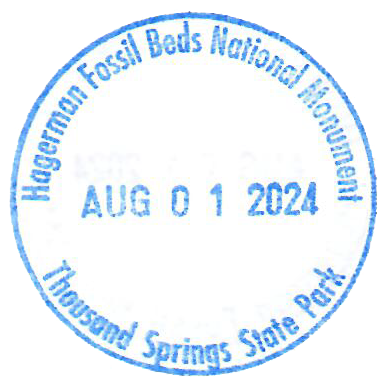

This monument contains the largest concentration of Hagerman horse fossils in North America. It protects the world's richest known fossil deposits from the late Pliocene epoch, 3.5 million years ago. These plants and animals represent the last glimpse of time that existed before the Ice Age, and the earliest appearances of modern flora and fauna.
Poverty Point
National Monument
National Monument
Louisiana
10/31/1988


Poverty Point is a prehistoric archeological site that dates from between 1650 and 700 BC and consisting of six earthen rings and seven mounds. The diameter of the outside ridge is 0.75 miles (1.21 km), and the largest mound rises 51 feet (16 m). It was declared a World Heritage Site in 2014.
El Malpais
National Monument
National Monument
New Mexico
12/31/1987


An extremely rough, rugged lava flow covers much of the park, filling a large basin rimmed by higher sandstone that forms large, wind-carved bluffs. It has lava tube caves that stretch over 17 miles (27 km) and the Cebolla Wilderness, a forested rimrock area that features prehistoric rock art and the Zuni-Acoma Trail, an ancient Pueblo trade route.
Disabled American Veterans
Vietnam Veterans Memorial
Vietnam Veterans Memorial
New Mexico
11/13/1987


The parents of a soldier killed in Vietnam built a sail-shaped chapel with the assistance of Disabled American Veterans to honor all veterans of the war. The site, a New Mexico Department of Veteran Services memorial, also has a helicopter damaged in Vietnam and sculptures of a soldier and nurses.
Red Hill Patrick Henry Memorial
Virginia
5/12/1986


Patrick Henry was the first governor of Virginia and was known for his oration for the cause of independence from Britain, including his ""Give me liberty, or give me death"" speech. He lived at his Red Hill estate the last five years of his life, which now has the original law office and reconstructed home.
Vietnam Veterans Memorial
District of Columbia
11/13/1982


Almost three million Americans were deployed to Vietnam during the Vietnam War from 1955 to 1975 as part of a campaign to stop communism in the region. Reflective black granite walls, sunken below ground level, bear the names of 58,320 servicemembers who died during the conflict. There are also statues representing women who served and the diversity of soldiers.
Mount St. Helens Volcanic
National Monument
National Monument
Washington
8/27/1982


Following the 1980 eruption of the now-8,363-foot-tall (2,549 m) Mount St. Helens, the environment was left to respond naturally to the disturbance. The volcanic crater is surrounded by a pumice plain with deposits from the landslide, preserved wind-blown trees, and the Ape Cave lava tube. Part of Gifford Pinchot National Forest.
David Berger Memorial
Ohio
3/5/1980


David Berger was an American Israeli weightlifter who competed at the 1972 Summer Olympics. He and ten other Israeli competitors and coaches were kidnapped and killed by terrorists in the Munich massacre. Located at a Jewish Community Center, a steel sculpture of the five Olympic rings split in half sits on eleven supporting segments.
Admiralty Island
National Monument
National Monument
Alaska
12/1/1978


Re-discovered in 1991 during excavations for a new federal building, this former burial ground that contains the remains of more than 400 free and enslaved Africans buried during the 17th and 18th centuries was designated a National Historic Landmark memorial in 1993.
Cape Krusenstern
National Monument
National Monument
Alaska
12/1/1978


Co-located with the NHLD Cape Krusenstern Archeological District, this coastal plain contains large lagoons and rolling hills of limestone. The bluffs record thousands of years of change in the shorelines of the Chukchi Sea, as well as evidence of some 9,000 years of human habitation.
Misty Fjords
National Monument
National Monument
Alaska
12/1/1978


Called The Yosemite of the North for its similar geology, the monument has widespread light-colored granite, about 50 to 70 million years old (Eocene Epoch to Cretaceous Period), that has been sculpted by glaciers that gouged deep U-shaped troughs. Mountain goats live in the higher elevations, while brown and black bear are also common. Part of Tongass National Forest.
American Memorial Park
Northern Mariana Islands
8/18/1978


The Japanese had mandate over the Northern Mariana Islands after World War I and used them as a base for their World War II Pacific offensive. The key summer 1944 Battles of Saipan and Tinian during the Mariana Islands campaign led to the US liberation of the islands. The Commonwealth-owned memorial commemorates the thousands of American and Chamorro casualties during the campaign with a flag monument, bell tower, and granite memorial near recreational park areas and a mangrove forest.
Father Marquette Memorial
Michigan
12/20/1975


The French Jesuit missionary Jacques Marquette founded the first two European settlements in Michigan, Sault Ste. Marie and St. Ignace, seeking to convert Native Americans to Catholicism. He joined Louis Jolliet on an exploration of the Upper Mississippi River. A memorial and interpretive trail in Straits State Park overlook the Mackinac Bridge.
John Day Fossil Beds
National Monument
National Monument
Oregon
10/26/1974


Located within the John Day River Basin, the Fossil Beds have a well-preserved, complete record of fossil plants and animals from more than 40 of the 65 million years of the Cenozoic Era. The monument is divided into three units: Painted Hills, named for its delicately colored stratifications; Sheep Rock; and Clarno. Blue Basin near Sheep Rock is a volcanic ash bowl transformed into claystone by eons of erosion, colored pastel blue by minerals.
Lyndon Baines Johnson
Memorial Grove on the Potomac
Memorial Grove on the Potomac
District of Columbia
9/27/1974


Lyndon B. Johnson's presidency saw passage of Great Society legislation that expanded health care access through Medicare and Medicaid, established civil and voting rights prohibiting racial discrimination, addressed poverty and rural development, and promoted conservation and environmental protection. The grove of pine and dogwood trees surrounded by flowers sits on an island in the Potomac with trails, meadows, and a commemorative granite monolith.
Belmont-Paul Women's Equality
National Monument
National Monument
District of Columbia
5/30/1974


Home of the National Woman's Party since 1929, this Adam Federal style house near the US Capitol was the home where party leader Alice Paul and others lived and worked.
Chamizal
National Memorial
National Memorial
Texas
2/4/1973
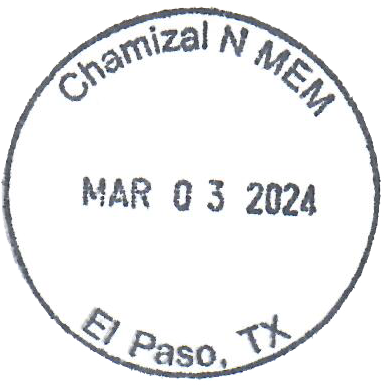

Chamizal National Memorial, located in El Paso, Texas, along the United States-Mexico international border, is a National Park Service site commemorating the peaceful settlement of the Chamizal boundary dispute.
Perry's Victory and
International Peace Memorial
International Peace Memorial
Ohio
10/26/1972


Commodore Oliver Hazard Perry's naval fleet defeated the British at the Battle of Lake Erie during the War of 1812, securing control of the lake and later peace with Britain and Canada. The world's largest Doric column, with an observation deck on top, stands 352 ft (107 m) tall on South Bass Island to commemorate the battle and international cooperation.
Benjamin Franklin Memorial
Pennsylvania
10/25/1972


Benjamin Franklin was a Founding Father who served in several political and diplomatic roles during the early republic, signing both the Declaration of Independence and the Constitution. He made a number of scientific inquiries and inventions including the lightning rod, bifocals, and the Franklin stove. The 20 ft (6.1 m) marble statue of a seated Franklin by James Earle Fraser sits in the Memorial Hall rotunda of the Franklin Institute in Philadelphia.
Fossil Butte
National Monument
National Monument
Wyoming
10/23/1972
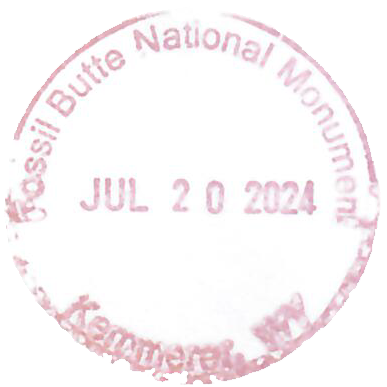

Fossil Butte preserves the 50-million-year-old Green River lake beds, the best paleontological record of tertiary aquatic communities in North America. Fossils including fish, alligators, bats, turtles, dog-sized horses, insects, and many other species of plants and animals suggest that the region was a low, subtropical, freshwater basin when the sediments accumulated, over about a 2-million-year period.
Hohokam Pima
National Monument
National Monument
Arizona
10/21/1972


Hohokam Pima is part of the Gila River Indian Community and not open to the public. The monument includes the site of the Snaketown settlement, archeological remains of the Hohokam culture, which lived in the area until 1200. Excavations of pit houses, fields, and irrigation canals were refilled in the 1960s, leaving nothing above ground.
Thaddeus Kosciuszko
National Memorial
National Memorial
Pennsylvania
10/21/1972


Polish engineer Tadeusz Ko?ciuszko joined the Continental Army when the American Revolution broke out, overseeing various fort construction projects and later leading troops on the battlefield. After returning to Poland and leading a failed uprising against Russian occupation, he briefly lived at this house in Philadelphia before returning to Europe again. This is the smallest unit of the National Park System.
Florissant Fossil Beds
National Monument
National Monument
Colorado
8/20/1969
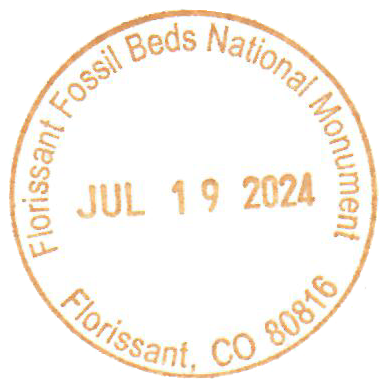

Huge petrified redwoods and incredibly detailed fossils of ancient insects and plants reveal a very different landscape in Colorado of almost 35 million years ago in the Eocene age.
Roger Williams
National Memorial
National Memorial
Rhode Island
10/22/1965


Roger Williams founded the colony of Rhode Island on the basis of religious freedom, having been exiled from the Massachusetts Bay Colony for separating from the Church of England. The memorial is a landscaped park in downtown Providence, with a visitor center in a historic home.
Alibates Flint Quarries
National Monument
National Monument
Texas
8/21/1965


Alibates was the quarry site for high-quality, rainbow-hued flint that was distributed throughout the Great Plains in pre-Columbian times. It is jointly operated with the Lake Meredith National Recreation Area and includes the ruins of several Plains Village Indian dwellings.
Aniakchak
National Monument
National Monument
Alaska
8/21/1965


Aniakchak National Monument and Preserve is a U.S. National Monument and National Preserve, consisting of the region around the Aniakchak volcano on the Aleutian Range of south-western Alaska. It has erupted at least 40 times over the last 10,000 years. The 601,294-acre (243,335 ha) monument is one of the least-visited places in the National Park System due to its remote location and difficult weather. The area was proclaimed a National Monument on December 1, 1978, and established as a National Monument and Preserve on December 2, 1980. The National Monument encompasses 137,176 acres (55,513 ha) and the preserve 464,118 acres (187,822 ha). Visitation to Aniakchak is the lowest of all areas of the U.S. National Park System, according to the NPS, with only 100 documented recreational visits in 2017. Most visitors fly into Surprise Lake inside Aniakchak Crater, but the frequent fog and other adverse weather conditions make landing in the lake difficult. It is also possible to fly into the nearby village of Port Heiden and proceed overland to the Aniakchak Crater.
National Mall and Memorial Parks
District of Columbia
1/1/1965


National Mall and Memorial Parks (formerly known as National Capital Parks-Central) is an administrative unit of the National Park Service (NPS) encompassing many national memorials and other areas in Washington, D.C. Federally owned and administered parks in the capital area date back to 1790, some of the oldest in the United States. In 1933, they were transferred to the control of the National Park Service. These parks were known as the National Capital Parks from their inception until 1965. The NPS now operates multiple park groupings in the D.C. area, including National Capital Parks-East, Rock Creek Park, President's Park, and George Washington Memorial Parkway. National Mall and Memorial Parks also provides technical assistance for the United States Navy Memorial.
Johnstown Flood
National Memorial
National Memorial
Pennsylvania
8/31/1964


When the South Fork Dam catastrophically failed in 1889, the town of Johnstown, Pennsylvania, was flooded and more than 2,200 people died, making the flood now the third-deadliest event in the US. The memorial at the site of the dam remains features a visitor center, short hiking trails, and a historic clubhouse.
Lincoln Boyhood
National Memorial
National Memorial
Indiana
2/19/1962


Abraham Lincoln moved with his family from Kentucky to forested Southern Indiana in 1816 and lived there from age 7 to 21. He worked on his family's farm and taught himself with little formal schooling during these formative years. His mother died and is buried here. A living museum reenacts a period farm at a reconstructed homestead near the original home's foundation and a sculpted limestone memorial building.
Buck Island Reef
National Monument
National Monument
US Virgin Islands
12/28/1961


Most of this monument is underwater, containing a large elkhorn coral barrier reef that provides cover for a great variety of reef fish, sea turtles and least terns. It is based around Buck Island, an uninhabited 176-acre (0.71 km2) island.
Russell Cave
National Monument
National Monument
Alabama
5/11/1961


Donated by the National Geographic Society, the cave's exceptionally large main entrance was used as a shelter by prehistoric Indians from the earliest known human settlement in the southeastern United States. The rock from which Russell Cave was formed originated in sediments deposited over 300 million years ago at the bottom of an inland sea that covered the region.
Arkansas Post
National Memorial
National Memorial
Arkansas
7/6/1960


Henri de Tonti established the Arkansas Post in 1686 as the first European trading post in the Mississippi River Valley as part of French Louisiana. It grew into a small settlement and was the site of skirmishes with Native Americans before becoming part of New Spain in 1763 and the US in 1803 with the Louisiana Purchase. A Civil War battle was won by the Union there in 1863. Visitors can tour a reconstructed fort and archaeological remains of Native American, European, and American settlements.
Grand Portage
National Monument
National Monument
Minnesota
1/27/1960


The Grand Portage itself is an 8.5-mile (13.7 km) footpath which bypasses a set of waterfalls on the Pigeon River near Lake Superior. The region was a vital trade route and center of fur trade activity as well as an Anishinaabeg Ojibwe heritage site.
General Grant
National Memorial
National Memorial
New York
5/1/1959


Ulysses S. Grant was general of the Union Army and led several victories in Civil War battles before forcing surrender of Lee's Confederacy. He served two terms as president of the United States, overseeing Reconstruction and civil rights, government reform, and relations with Native Americans. Grant's Tomb in Upper Manhattan is his and his wife's resting place, designed after the Mausoleum at Halicarnassus.
Fort Union
National Monument
National Monument
New Mexico
4/5/1956


A frontier military post and supply depot in the late 19th century, it sat at the intersection of the Mountain and Cimarron Branches of the old Santa Fe Trail.
Booker T. Washington
National Monument
National Monument
Virginia
4/2/1956


This preserves portions of the 207-acre (0.84 km2) tobacco farm on which educator and civil rights leader Booker T. Washington was born into slavery on April 5, 1856. The site contains replicas of the house Washington was born in, a smokehouse, a blacksmith shed, a tobacco barn, and a horse barn.
Federal Hall
National Memorial
National Memorial
New York
8/11/1955


This neoclassical building on Wall Street, originally the Port of New York Custom House, stands at the site of the first US Capitol building. The original Federal style building was the site of George Washington's inauguration, the 1st United States Congress, and previously the Congress of the Confederation.
Arlington House,
The Robert E. Lee Memorial
The Robert E. Lee Memorial
Virginia
6/25/1955


This mansion was built by George Washington's adopted son George Washington Parke Custis, partially as a memorial to Washington. After Custis's death it was managed by his son-in-law Robert E. Lee, who became commander of the Confederate States Army. The US government seized it during the Civil War and established Arlington National Cemetery around it. The house and grounds have been restored with pre-war decor and artifacts of the Custis and Lee families.
Wright Brothers
National Memorial
National Memorial
North Carolina
12/4/1953


Wilbur and Orville Wright made the first powered flight with the Wright Flyer at Kill Devil Hills near Kitty Hawk in 1903, developing it into the first fixed-wing aircraft, the Wright Flyer III. A monument tower representing a wing commemorates their achievement and earlier aviation experimenters. Paths outline the routes of the first flights near a reproduction hangar.
Fort Caroline
National Memorial
National Memorial
Florida
1/16/1953


Around 200 French Huguenots founded Fort Caroline (named after King Charles IX) as a refuge in French Florida in 1685. A year later the Spanish founded St. Augustine nearby and attacked and massacred the settlers at Fort Caroline to take unified control of the region. The current site within the Timucuan Preserve has a reconstructed fort with hiking trails, a visitor center, and monument to the executed leader Jean Ribault.
Coronado
National Memorial
National Memorial
Arizona
11/5/1952


The Coronado National Memorial commemorates the first organized expedition into the Southwest by conquistador Francisco Vásquez de Coronado in 1540. The memorial is located in a natural setting on the Mexico-United States border on the southeast flank of the Huachuca Mountains south of Sierra Vista, Arizona and is bordered to the north and west by Coronado National Forest. Within the memorial is an overlook at Montezuma Pass where the Coronado expedition entered modern Arizona. The memorial confirms the ties that bind the United States and Mexico.
Effigy Mounds
National Monument
National Monument
Iowa
10/25/1949


This monument preserves three prehistoric sites with 206 prehistoric mounds, notable for 31 unusual mounds in the shape of mammals, birds, or reptiles.
De Soto National Memorial
Florida
3/11/1948


Hernando de Soto led the first European exploration of the Southeast, searching for gold while trading and fighting with various Native American tribes before his death along the Mississippi River in 1542. The memorial at the 1539 landing site on Tampa Bay has a reconstructed camp, reenactment events, historic artifacts, and waterfront trails.
Castle Clinton
National Monument
National Monument
New York
8/12/1946


A circular sandstone fort built in 1811 at the southern tip of Manhattan to protect New York City from the British, Castle Clinton is now located in Battery Park. It later became a beer garden, a theater, the first immigration station (predating Ellis Island), a public aquarium, and a ticket office for the Statue of Liberty National Monument.
George Washington Carver
National Monument
National Monument
Missouri
7/14/1943


The site preserves Moses Carver's farm, which was the boyhood home of George Washington Carver, a scientist and educator who developed many uses for peanuts. It was the first national monument dedicated to an African American and first to a non-president.
Thomas Jefferson Memorial
District of Columbia
4/13/1943


Thomas Jefferson was a Founding Father who wrote the Declaration of Independence, was the first secretary of state, and served as president from 1801 to 1809. He promoted democratic ideals, individual freedoms, and states' rights in his nationally formative writings, and as president he expanded the country's territory with the Louisiana Purchase. The memorial, based on the Pantheon and the Rotunda at the University of Virginia that Jefferson designed himself, sits on the Tidal Basin with a bronze statue facing toward the White House surrounded by notable quotations.
Little Bighorn Battlefield
National Monument
National Monument
Montana
7/1/1940


The 1876 Battle of the Little Bighorn between George Armstrong Custer's 7th Cavalry and a combined Lakota Sioux, Northern Cheyenne and Arapaho force led by Sitting Bull and Crazy Horse took place here.
Tuzigoot
National Monument
National Monument
Arizona
7/25/1939


Tuzigoot preserves a two- to three-story pueblo ruin on the summit of a limestone and sandstone ridge in the Verde Valley. It was built by the Sinagua people between 1125 and 1400.
Mount Rushmore
National Memorial
National Memorial
South Dakota
7/1/1939


Gutzon Borglum led the sculpting of Presidents George Washington, Thomas Jefferson, Theodore Roosevelt, and Abraham Lincoln into a mountain in the Black Hills. Limited funding resulted in carving only 60 ft (18 m) heads without their torsos. Mountain goats, mule deer, and yellow-bellied marmots are among the wildlife living in the hills near the visitor center and walking path.
Pipestone
National Monument
National Monument
Minnesota
8/25/1937


This monument preserves traditional catlinite quarries used to make ceremonial pipes, vitally important to traditional Plains Indian culture. The quarries are sacred to the Sioux and Lakota people and are historically neutral territory where enrolled citizens of all tribes can quarry the stone.
Organ Pipe Cactus
National Monument
National Monument
Arizona
4/13/1937

This monument is the only place in the United States where the organ pipe cactus grows wild. There are many other types of cacti and desert flora native to the Sonoran Desert. The Bates Well Ranch and Dos Lomitas Ranch are also within the monument.
Fort Frederica
National Monument
National Monument
Georgia
5/26/1936


Built by James Oglethorpe between 1736 and 1748, these remnants of a fort and town protected the southern boundary of the British colony of Georgia from Spanish raids. It was a few miles from the site of the Battle of Bloody Marsh.
Fort Stanwix
National Monument
National Monument
New York
8/21/1935


Fort Stanwix guarded a strategic 18th century portage known as the Oneida Carrying Place. It was built during the French and Indian War (1754-1763). The fort successfully resisted the 1777 siege by a British invasion army during the Saratoga campaign of the American Revolutionary War. Erased by the development of Rome, New York, it was rebuilt as a national monument in the late 1970s.
Cedar Breaks
National Monument
National Monument
Utah
8/22/1933


A natural amphitheater canyon similar to formations at Bryce Canyon National Park, it stretches over 3 miles (4.8 km) and is more than 2,000 feet (610 m) deep.
Theodore Roosevelt Island
National Memorial
National Memorial
District of Columbia
5/21/1932


Theodore Roosevelt led the Rough Riders during the Spanish-American War and served as governor of New York before becoming vice president and then president when William McKinley was assassinated. His Square Deal promoted trustbusting, labor rights, and consumer protection, and he was a noted conservationist, establishing the Forest Service, the first national monuments, and wildlife refuges. This forested island in the Potomac features hiking trails and a memorial plaza with fountains, notable quotations, and a 17 ft (5.2 m) statue of Roosevelt.
Canyon De Chelly
National Monument
National Monument
Arizona
4/1/1931


Located within the Navajo Nation, it preserves the valleys and rims of Canyon de Chelly, Canyon del Muerto, and Monument Canyon. Several Ancestral Puebloan cliff dwellings are built into the canyon walls.
Sunset Crater Volcano
National Monument
National Monument
Arizona
5/30/1930


Sunset Crater is the youngest in a string of volcanoes in the San Francisco volcanic field that is related to the nearby San Francisco Peaks. Final volcanic activity in the 13th century painted the upper portion of the cone with bright red and orange rocks, giving the volcano its name. Hikers can walk through a black lava flow and on a second cinder crater.
George Washington Birthplace
National Monument
National Monument
Virginia
1/23/1930


Representative of 18th-century Virginia tobacco farms, this site is the birthplace and boyhood environment of George Washington. The entrance includes a Memorial Shaft obelisk of Vermont marble that is a one-tenth scale replica of the Washington Monument in Washington, D.C. Also within the monument are the historic birthplace home area, a kitchen house, and the Washington family burial ground.
Lava Beds
National Monument
National Monument
California
11/21/1925


This is the site of the largest concentration of lava tube caves in North America. It also includes Petroglyph Point, one of the largest panels of Native American rock art. The monument lies on the northeast flank of the Medicine Lake Volcano, the largest volcano in the Cascade Range.
Fort McHenry
National Monument and
Historic Shrine
National Monument and
Historic Shrine
Maryland
3/3/1925


The only place designated a national monument and historic shrine, Fort McHenry is a star-shaped fort best known for its role in the War of 1812 when it successfully defended Baltimore Harbor from an attack by the British navy. The events inspired Francis Scott Key to write """"The Star-Spangled Banner"""".
Wupatki National Monument
Arizona
12/9/1924


Several settlement sites built by the Sinagua, Cohonina, and Ancestral Puebloans are scattered throughout the monument, showing evidence of trade and agriculture from the 6th to 13th centuries. About 2,000 Ancient Pueblo People moved here to farm after an 11th century eruption of Sunset Crater spread ash forming fertile soil.
Castillo de San Marcos
National Monument
National Monument
Florida
10/15/1924


This Spanish fort near St. Augustine, called Fort Marion when first protected, served for 205 years under four different flags. Built in 1672, it was involved in sieges with the British while under Spanish command, the American Revolution under Britain, the Civil War under the Confederacy, and the Seminole Wars and the Spanish-American War under the United States.
Fort Matanzas
National Monument
National Monument
Florida
10/15/1924


This 1740 Spanish fort guarded Matanzas Inlet, the southern mouth of the Matanzas River, which allowed access to St. Augustine. The monument is managed in conjunction with Castillo de San Marcos National Monument and also protects 100 acres (0.40 km2) of salt marsh and barrier islands.
Fort Pulaski
National Monument
National Monument
Georgia
10/15/1924


In 1862 during the American Civil War, the Union Army successfully tested a rifled cannon against the defending Confederates, rendering brick fortifications obsolete. Fort Pulaski was also used as a prisoner-of-war camp during the war. The national monument includes most of Cockspur Island (containing the fort) and all of adjacent McQueens Island.
Statue of Liberty
National Monument
National Monument
New York
New Jersey
New Jersey
10/15/1924


This iconic statue, built in 1886 on Liberty Island and 151 feet (46 m) tall, commemorates the centennial of the signing of the United States Declaration of Independence and is a gesture of friendship from France to the U.S. Liberty Enlightening the World is a symbol of welcoming immigrants to the U.S. and is listed as a World Heritage Site. Ellis Island, where 12 million immigrants entering the U.S. passed through, is included in the monument.
Craters of the Moon
National Monument
National Monument
Idaho
5/2/1924

One of the best preserved flood basalt areas in the continental U.S. contains three lava fields along the Great Rift of Idaho. Among the volcanic cinder cones, lava tubes, and fissures created 15,000 to 2,000 years ago is the world's deepest open rift crack. The adjoining National Preserve protects an additional 410,000 acres.
Chiricahua
National Monument
National Monument
Arizona
4/18/1924

These pillars of rhyolite tuff are the eroded remains of an immense volcanic eruption that shook the region some 27 million years ago. It was called the Land of the Standing-Up Rocks by the Apache.
Pipe Spring
National Monument
National Monument
Arizona
5/31/1923


Rich with Native American, early explorer, and Mormon pioneer history, this site shows Ancestral Puebloans and Kaibab Paiute Indian and pioneer life in the Old West, including the cabin where explorer John Wesley Powell's survey crew stayed in 1871. The water of Pipe Spring, discovered in 1858, made it possible for plants, animals, and people to live in this dry desert region.
Hovenweep
National Monument
National Monument
Colorado
Utah
Utah
3/2/1923


Hovenweep contains six clusters of Native American ruins. Holly Canyon, Hackberry Canyon, Cutthroat Castle and Goodman Point are in Colorado and Square Tower and Cajon are in Utah. Ancestral Puebloans lived in the Hovenweep area from 1150 to 1350.
Aztec Ruins
National Monument
National Monument
New Mexico
1/24/1923


The Aztec Ruins National Monument in northwestern New Mexico, United States, consists of preserved structures constructed by the Pueblo Indians. The national monument lies on the western bank of the Animas River in Aztec, New Mexico, about 12 miles (19 km) northeast of Farmington. Additional Puebloan structures can be found in Salmon Ruins and Heritage Park, 9.5 miles (15.3 km) south. Archaeological evidence puts the construction of the ruins in the 12th and 13th centuries. The Puebloan-built ruins were dubbed the ""Aztec Ruins"" by 19th century American settlers who misattributed their construction to the Aztecs.
Timpanogos Cave
National Monument
National Monument
Utah
10/14/1922


The Timpanogos cave system is in the Wasatch Range in the American Fork Canyon. Three main chambers are accessible: Hansen Cave, Middle Cave, and Timpanogos Cave. Many colorful cave features or speleothems can be seen, including helictites, cave bacon, cave columns, flowstone, cave popcorn, and cave drapery.
Lincoln Memorial
District of Columbia
5/30/1922


Abraham Lincoln led the Union during the Civil War, bringing back together a divided nation and abolishing slavery before being assassinated shortly after the end of the war. A 30 ft (9.1 m)-tall statue of a seated Lincoln sits in this grand temple overlooking the National Mall toward the Capitol. Inside walls are inscribed with the text of his second inaugural address and the Gettysburg Address. Thirty-six Doric columns that represent the states of the Union in 1865 support an entablature whose frieze is inscribed with the names of the 48 states at the time of construction in 1922.
Yucca House
National Monument
National Monument
Colorado
12/19/1919


Designated a research national monument, it is a large unexcavated Ancestral Puebloan archeological site. The site is one of many Ancestral Puebloan village sites in the Montezuma Valley occupied between 900 and 1300 CE.
Scotts Bluff
National Monument
National Monument
Nebraska
12/12/1919


Scotts Bluff is an important 19th century geologic formation and landmark on the Oregon Trail and Mormon Trail. It contains multiple bluffs on the south side of the North Platte River, but it is named after a prominent bluff called Scotts Bluff which rises more than 830 feet (250 m) above the plains at its highest point. The monument is composed of five rock formations named Crown Rock, Dome Rock, Eagle Rock, Saddle Rock, and Sentinel Rock.
Casa Grande Ruins
National Monument
National Monument
Arizona
8/3/1918

This monument preserves a group of structures surrounded by a compound wall in the Gila Valley that were built in the early 13th century. They were inhabited by the Hohokam people until they were abandoned in the mid-15th century.
Capulin Volcano
National Monument
National Monument
New Mexico
8/9/1916

Capulin is an extinct cinder cone volcano that is approximately 59,000 years old and part of the Raton-Clayton Volcanic Field. The crater is 400 feet (120 m) deep and its rim is more than 1,500 feet (460 m) in diameter.
Bandelier
National Monument
National Monument
New Mexico
2/11/1916


Bandelier National Monument is a 33,677-acre (136 km2) United States National Monument near Los Alamos in Sandoval and Los Alamos counties, New Mexico. The monument preserves the homes and territory of the Ancestral Puebloans of a later era in the Southwest. Most of the pueblo structures date to two eras, dating between AD 1150 and 1600.
Walnut Canyon
National Monument
National Monument
Arizona
11/30/1915


Walnut Canyon protects dozens of cliff dwelling rooms constructed around the 12th century by the Sinagua people, who navigated the challenging cliffs to access sparse water. It lies on the Colorado Plateau and cuts through the Permian Kaibab Limestone, which exposes the Toroweap Formation and Coconino Sandstone.
Dinosaur
National Monument
National Monument
Colorado
Utah
Utah
10/4/1915

This sandstone and conglomerate bed at the confluence of the Green and Yampa Rivers was formed in the Jurassic Period and contains fossils of dinosaurs including Allosaurus and various long-neck and long-tail sauropods.
Cabrillo
National Monument
National Monument
California
10/14/1913


This monument commemorates the landing of Juan Rodríguez Cabrillo at San Diego Bay on September 28, 1542, which was the first European expedition to what later became the West Coast of the U.S. The monument includes a statue of Cabrillo, a rocky intertidal zone, and 20th-century coastal artillery batteries built to protect the harbor of San Diego from enemy warships.
Devils Postpile
National Monument
National Monument
California
7/6/1911


Once part of Yosemite National Park, this monument is a dark cliff of columnar basalt created by a lava flow at least 100,000 years ago. It also has the 101-foot (31 m)-high Rainbow Falls.
Colorado
National Monument
National Monument
Colorado
5/24/1911

Monument Canyon runs the width of the park and includes rock formations formed by erosion. The monument covers semi-desert land high on the Colorado Plateau and has a wide range of wildlife including pinyon pines, juniper trees, ravens, jays, desert bighorn sheep, and coyotes as well as a range of recreational activities.
Rainbow Bridge
National Monument
National Monument
Utah
5/30/1910


Rainbow Bridge is one of the world's largest natural bridges. It stands 290 feet (88 m) tall and spans 275 feet (84 m) wide; the top of the bridge is 42 feet (13 m) thick and 33 feet (10 m) wide. It was made from sandstone formed during the Triassic and the Jurassic periods.
Salinas Pueblo Missions
National Monument
National Monument
New Mexico
11/1/1909


Formerly known as Gran Quivira National Monument, it is where Native American trade communities of Tiwa- and Tompiro-speaking Puebloans lived when Spanish Franciscan missionaries made contact in the 17th century. What remains are the ruins of four mission churches, at Quarai, Abó, and Gran Quivira, and the partially excavated pueblo of Las Humanas.
Oregon Caves
National Monument
National Monument
Oregon
7/12/1909


The monument is known for its marble caves, as well as for the Pleistocene jaguar and grizzly bear fossils found in the deeper caves. There are four primary buildings: The Oregon Caves Chateau, The Ranger Residence, The Chalet, and the old Dormitory.
Navajo National Monument
Arizona
3/20/1909


This monument preserves three of the most intact cliff dwellings of the Ancestral Puebloan people. The monument is high on the Shonto plateau, overlooking the Tsegi Canyon system on the Navajo Nation in Northern Arizona.
Natural Bridges
National Monument
National Monument
Utah
4/16/1908


Located at the junction of White Canyon and Armstrong Canyon, it is part of the Colorado River drainage. It features the second- and third-largest natural bridges in the western hemisphere, carved from the white Triassic sandstone of the Cedar Mesa Formation that gives White Canyon its name.
Jewel Cave
National Monument
National Monument
South Dakota
2/7/1908


Jewel Cave is the third longest cave in the world, with more than 215 miles (346 km) of mapped passageways beneath the Black Hills of South Dakota. The entrance was discovered by miners in 1900 and was named for its calcite crystals.
Muir Woods
National Monument
National Monument
California
1/9/1908


Part of the Golden Gate National Recreation Area, it protects one of the last old growth Coast redwood (Sequoia sempervirens) groves in the San Francisco Bay Area as well as one of the most easily accessed.
Gila Cliff Dwellings
National Monument
National Monument
New Mexico
11/16/1907

Located within the Gila Wilderness, the people of the Mogollon culture lived in these cliff dwellings 180 feet (55 m) above the canyon floor from the 1280s through the early 14th century. They lived in five caves with 46 rooms.
Tonto National Monument
Arizona
10/21/1907

Lying on the northeastern edge of the Sonoran Desert along the Salt River, Tonto preserves two cliff dwellings that were occupied by the Salado culture during the 13th to 15th centuries. The monument is surrounded by Tonto National Forest.
El Morro
National Monument
National Monument
New Mexico
12/8/1906


On the site of an ancient east-west trail is a great sandstone promontory with a pool of water at its base. There are inscriptions from the 17th century as well as older petroglyphs made by the Ancestral Puebloans.
Montezuma Castle
National Monument
National Monument
Arizona
12/8/1906


Montezuma Castle features cliff dwellings built by the Pre-Columbian Sinagua people between 1100 and 1400 AD. The site's name is a misnomer as is it has no connection to Montezuma. However, some modern day native tribes that do have connections to the site include the Yavapai, Hopi, and Zuni. The monument also includes Montezuma Well, which has been used for irrigation since the 8th century.
Devils Tower
National Monument
National Monument
Wyoming
9/24/1906


The tower is a monolithic igneous intrusion of volcanic neck rising dramatically 1,267 feet (386 m) above the surrounding terrain. Proclaimed by Theodore Roosevelt, this was the first national monument.
Washington Monument
District of Columbia
2/21/1885


As commanding general of the Continental Army, George Washington was instrumental in securing victory in the Revolutionary War, leading him to serve as the first president of the United States. His presidency laid the foundations for the politics of the republic with policies on banking, taxes, the judiciary, and foreign affairs. The Monument, the centerpiece of the National Mall, is a 555 ft (169 m) tall obelisk of marble, granite, and gneiss topped with a small aluminum pyramid. A variety of interior memorial stones are visible from the elevator to the observation deck.